Whether you’re hosting a conference, planning an event, or broadcasting to millions, we help make experiences accessible, insightful and useful.
VITAC is the United States’ largest and most trusted captioning company, and as part of the Verbit family, we’re combining human intelligence with a continuously improving AI-based engine unmatched in the industry for accuracy and affordability. Our clients enjoy peace of mind knowing their projects will meet strict quality standards – and can be customized to their unique language needs. How do we do it? Read more about Captivate™ our new, proprietary solution.
With expert teams leveraging the most advanced technology in the industry, we deliver on efficiency and accuracy making us the provider of choice for:
Just writing to publicly thank you all for being able to adjust so rapidly to the extra hour of programming on today’s show. Your professionalism and adaptability are greatly appreciated.

Captions have been great! Thank you very much!
I wanted to let you know that our captioner tonight is doing an AMAZING job during the Nuggets game!
VITAC never lets us down. Big thanks to you and the team!
Thank you so much for all the great work you did for us live captioning our graduation!
We’ve been overall very happy with the service. We like how easy it is to book, modify, and cancel events. The online booking system is very easy to use. I also like the ease of mind that even if we give you short notice, you’ve always been able to secure us a captioner.
We had a flawless captioning day yesterday, and the enthusiastic response from our multiple clients on this project has been nothing less than epic. Looking forward to working together again – and thanks for all you do.


Our expert captioners are the most experienced in the business. With 24/7 assistance, we are always on so you don’t have to be. We provide live captioning for:

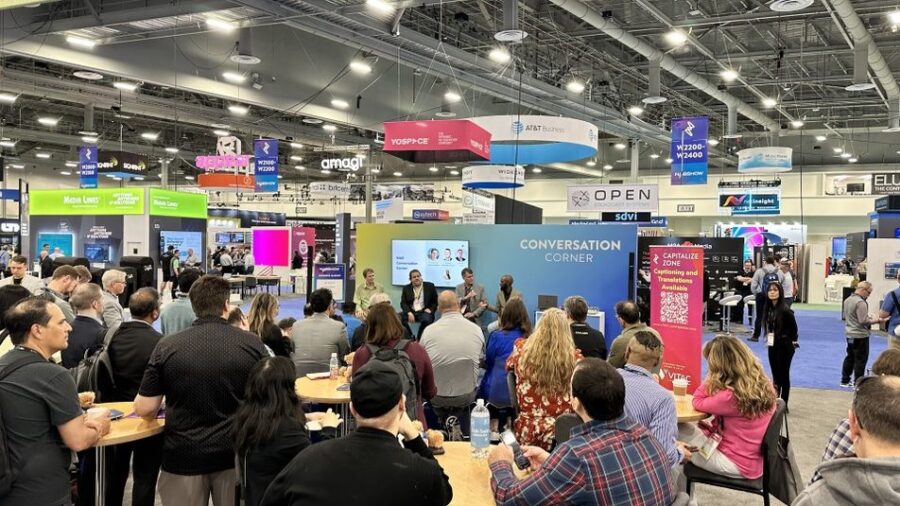
AI, Accessibility, and Localization: Takeaways from NAB Show 2024
NAB 2024 is a wrap! VITAC would like to thank everyone who took the time to meet and visit with us at this year’s show. Our team had…
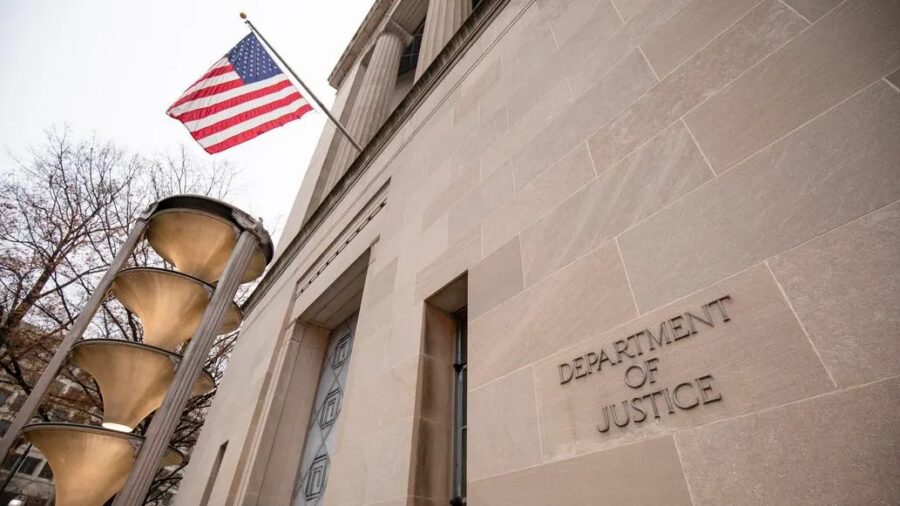
Justice Department Sets Accessibility Requirements for State and Local Government Websites and Mobile Apps
The U.S. Department of Justice (DOJ) announced a final rule that establishes specific requirements for making websites and mobile apps offered by state and local governments accessible to…
VITAC and ENCO Form Strategic Partnership to Expand Caption Encoding and Delivery Options for Broadcasters
VITAC, a Verbit Company, the largest captioning company in the United States, and ENCO, a global leader in innovative broadcasting solutions, are excited to announce a strategic partnership…